Unofficial reference · 1936-2026
Every Fiesta color, 1936 to today
61 glazes across 90 years of American dinnerware. Look up a color by number, see what is still in production, and find the combinations that go with the pieces you already own.
- 61
- colors documented
- 13
- in production now
- 14
- vintage, 1936-1972
- 47
- Post 86, 1986-today
Fiesta history in living color
Every color in the order it arrived, 1936 to 2026. Pick any band to open it.
The full palette
Filter by shade family, era or decade, or search by name, color number or hex code.
-
Vintage
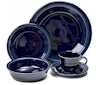
Blue (Cobalt)
Retired -
Vintage
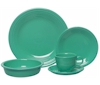
Green (Light)
Retired -
Vintage
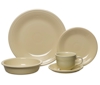
Old Ivory
Retired -
Vintage
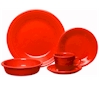
Red, 1936-1943
Retired -
Vintage
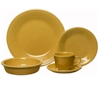
Yellow, 1936-1969
Retired -
Vintage
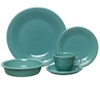
Turquoise, 1937-1969
Retired -
Vintage
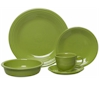
Chartreuse, 1951-1959
Retired -
Vintage
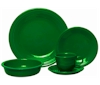
Forest Green
Retired -
Vintage
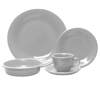
Gray
Retired -
Vintage
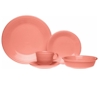
Rose, 1951-1959
Retired -
Vintage
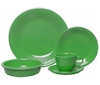
Medium Green
Retired -
Vintage
Red, 1959-1972
Retired -
Vintage
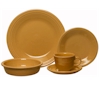
Antique Gold
Retired -
Vintage
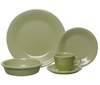
Turf Green
Retired -
104
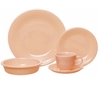
Apricot
Retired -
101
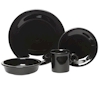
Black
Retired -
100
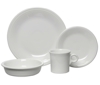
White
In production -
105
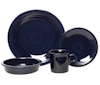
Cobalt
Retired -
103
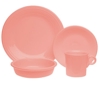
Rose, 1987-2005
Retired -
106
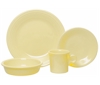
Yellow, 1987-2002
Retired -
107
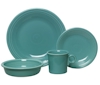
Turquoise, 1988-present
In production -
108
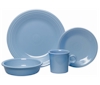
Periwinkle Blue
Retired -
109
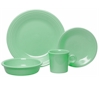
Sea Mist Green
Retired -
113
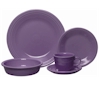
Lilac
Retired -
114
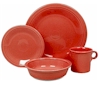
Persimmon
Retired -
116
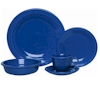
Sapphire
Retired -
117
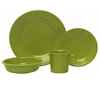
Chartreuse, 1997-1999
Retired -
4465
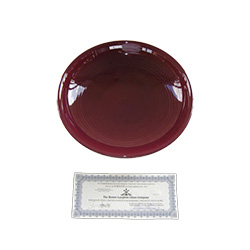
Raspberry
Retired -
118
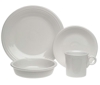
Pearl Gray
Retired -
102
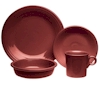
Cinnabar
Retired -
119
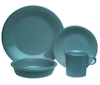
Juniper
Retired -
323
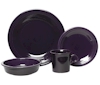
Plum
Retired -
320
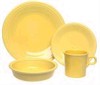
Sunflower
Retired -
324
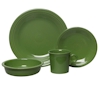
Shamrock
Retired -
325
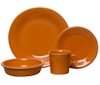
Tangerine
Retired -
326
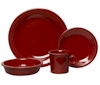
Scarlet
In production -
327
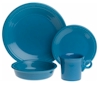
Peacock
Retired -
328
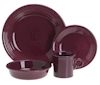
Heather
Retired -
329
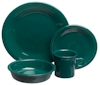
Evergreen
Retired -
331
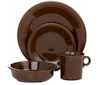
Chocolate
Retired -
330
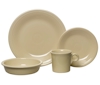
Ivory
Retired -
333
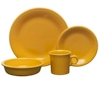
Marigold
Retired -
332
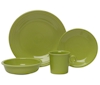
Lemongrass
Retired -
334
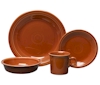
Paprika
Retired -
335
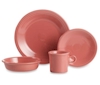
Flamingo
Retired -
337
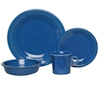
Lapis
In production -
338
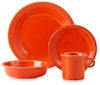
Poppy
In production -
340
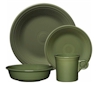
Sage
Retired -
339
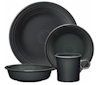
Slate
Retired -
341
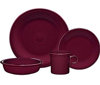
Claret
Retired -
20000
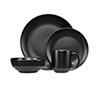
Foundry
In production -
342
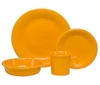
Daffodil
In production -
343
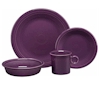
Mulberry
Retired -
344
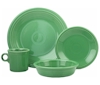
Meadow
In production -
345
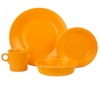
Butterscotch
Retired -
346
Twilight
Retired -
347
Peony
In production -
348
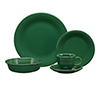
Jade
In production -
349
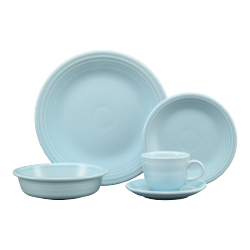
Sky
In production -
350
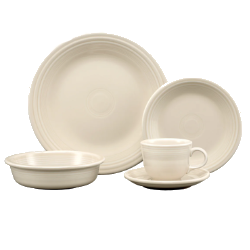
Linen
In production -
351
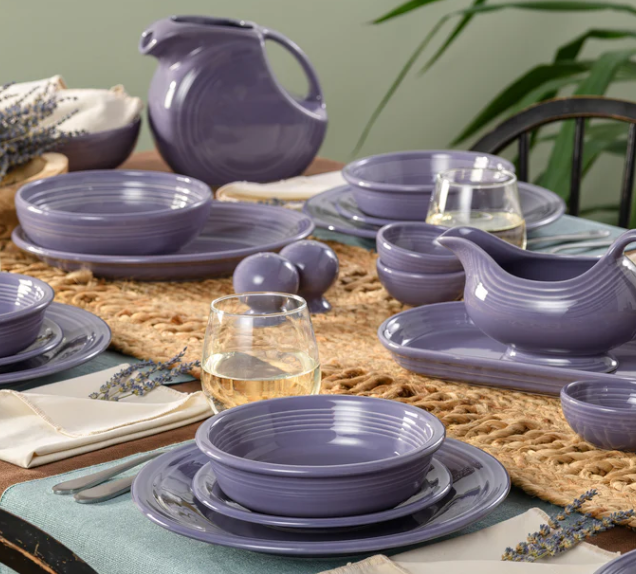
Lavender
In production


No colors match those filters
Try a different shade family, or widen the decade range.
Browse by shade or era
The chips above filter this page. These are full pages of their own, if you'd rather link to one.
Frequently asked
How many Fiesta colors have there been?
This guide documents 61 Fiesta colors: 14 from the original 1936-1972 run and 47 from the Post 86 line that began with the 1986 reintroduction. Colors that were made in both eras under the same name - Red, Rose, Yellow, Turquoise and Chartreuse - are listed separately, because the glaze recipes and the resulting colors are not the same.
Which Fiesta colors are in production right now?
What is the newest Fiesta color?
Lavender (#9694B8), introduced in 2026. Meet Lavender, Fiesta’s new color for 2026, and 90th anniversary color, continuing into current production.
Are these hex codes official Fiesta colors?
No. The Fiesta Tableware Company does not publish hex values for its glazes. Every hex code here is this project's best-effort digital match, derived from product photography and public reference material, and it is the number every other value on the color page is calculated from. Fired glaze also varies between production runs, so no single hex can be exactly right for every piece. How the data is built →
What is the difference between vintage Fiesta and Post 86?
Vintage Fiesta ran from 1936 until the line was retired in 1973. Fiesta returned in March 1986 for its 50th anniversary in a vitrified, lead-free body with an updated palette - collectors call everything from that point on "Post 86." Post 86 pieces carry a color number (Lapis is No. 337, for example); vintage pieces predate that numbering entirely.
Which Fiesta colors go together?
Every color page ends with a set of table-setting combinations built only from colors Fiesta has actually made - starting, where one exists, with the pairing named in that color's own description, then combinations built on opposite hues, tonal ladders and neutral anchors. Each swatch says whether you can still buy it, so you know which sets you can finish today. How the combinations are built →
What do the Fiesta color numbers mean?
Every Post 86 color carries a number - Lapis is No. 337, Scarlet is No. 326, Lavender is No. 351 - and it is the fastest way to identify a modern piece or order a replacement. The numbers run roughly in order of introduction. Vintage colors from the 1936-1972 run predate the system entirely and have no number.
How do I tell which Fiesta color I have?
Compare your piece to the swatches here in daylight, then check the shape and the backstamp. Narrow the field with the shade filter above, then open a color page for the full production years and nearby colors - a lot of Fiesta identification comes down to separating two colors that are only a few ΔE apart, like Turquoise and Sky.
